
.png)
Behind the Brand: Emma Carstairs at Queensmith on building trust and finding stories beyond the ring
Key Takeaways
Emma Carstairs, PR & Communications Manager at Queensmith, draws on the Hatton Garden jeweller’s craftsmanship, customer conversations and sales data to find stories that build trust around some of life’s biggest purchases.
Her strongest stories combine evidence with human insight, using sales figures to substantiate emerging trends and conversations with customers to explain why their preferences are changing.
Queensmith’s Post Wedding Blues campaign grew from conversations with newlyweds, leading to a survey of over 1,000 people and practical advice from a psychologist and couples therapist.
As more customers discover Queensmith through AI recommendations, Emma looks at which publications and sources platforms cite to help prioritise where the brand builds authority.
Her advice for PRs in emotionally led sectors is to stay curious about what people are thinking, feeling and asking, while learning enough about the product to turn technical expertise into useful media stories.
Choosing an engagement ring usually comes with plenty of questions, from understanding diamonds to deciding on a design you’ll still love in decades to come. Queensmith is a British fine jewellery brand based in London’s Hatton Garden, specialising in engagement rings, wedding bands and bespoke jewellery, with gemmologists, designers and goldsmiths working together to guide customers through the process and create their pieces in its own workshops.
For a brand built around craftsmanship, expertise and some of its customers’ biggest life moments, PR has an important role in helping people get to know the business and feel confident about choosing it. There’s also plenty happening beyond the workshop, with changing buying habits, celebrity proposals and the emotional experiences surrounding weddings giving Queensmith opportunities to share its knowledge and connect with a wider audience.
For this edition of Behind The Brand, we’re speaking to Emma Carstairs, PR & Communications Manager at Queensmith, who has spent four years working with the jeweller both agency and in-house. From turning showroom conversations into campaign ideas to using sales data to give trends substance, Emma shares how she finds stories within the business and builds trust through the people and expertise behind its jewellery.
About Emma Carstairs
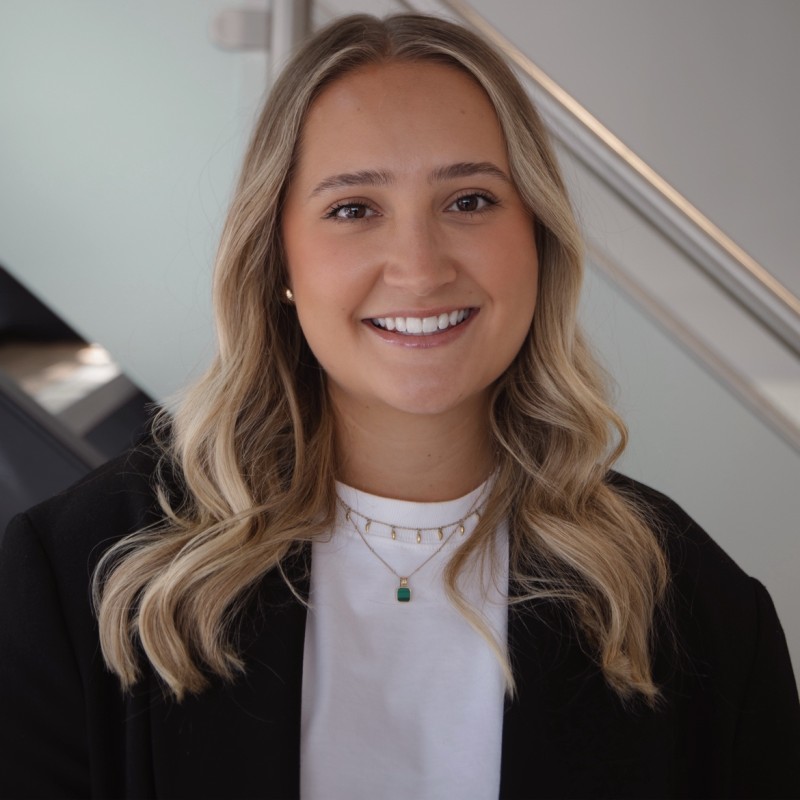
Emma Carstairs is PR & Communications Manager at Queensmith, having joined the team in January 2026. With previous roles at Jellyfish, Impression and Headlam Group, her experience spans digital PR, media relations and influencer activity across sectors including home and lifestyle, fashion, travel and automotive. She now draws on Queensmith’s expertise and customer insights to develop stories that build trust in the brand, and was part of the team that brought the Queensmith Wedding Club to life, helping couples connect and support one another throughout their wedding journey.
How Queensmith’s craftsmanship and customer conversations help Emma build trust through PR
What does a typical week look like as PR & Communications Manager at Queensmith?
There’s not really a ‘typical’ week, which is probably one of my favourite things about working in PR!
A lot of my time is spent building relationships with journalists across bridal, fashion, jewellery and lifestyle publications, pitching stories, spotting opportunities for expert commentary and making sure Queensmith is part of the conversations that matter to our customers. We also have a brilliant team of in-house experts, from gemmologists and designers to our workshop team, so I’m constantly looking for ways to turn their knowledge into interesting, useful stories.
I’ll also spend time keeping an eye on trends and conversations across the industry, because in PR you need to be thinking about what’s happening now and what people will be talking about next!
How does working with such an emotional purchase shape your approach to communications?
Engagement rings and wedding bands mark such significant milestones in people’s lives, meaning there is more emotion behind the purchase. That brings a real sense of responsibility to the way we communicate about them.
That means I always try to start with the person and the story, rather than the product. Instead of just thinking, “What can we say about this ring?”, I’m asking what the ring represents, what the customer might be feeling, and whether there’s a broader human insight or story there.
We want to give people useful information that helps them make a decision they’ll feel confident about. Choosing an engagement or wedding ring is also a significant investment, so our communications need to feel trustworthy, considered and honest.
That’s where PR becomes particularly important for Queensmith. When someone is choosing a piece of jewellery that could mark one of the biggest moments of their life, trust really matters. We’re not just trying to build awareness of the brand, we’re building a reputation and a relationship with our clients before they’ve even walked through our doors. Every story we tell, expert we put forward and conversation we have is an opportunity to demonstrate our knowledge, transparency and the level of care we put into what we do.
How important is Queensmith’s craftsmanship when you are shaping PR stories?
It’s hugely important! Having the entire jewellery-making process in-house gives us a genuine depth of expertise to draw on, which makes my role in PR much easier when it comes to building stories, spotting trends and providing credible expert commentary!
We have a team of experts at every stage of the customer and jewellery journey, from our sales consultants, who are often the first point of contact and help customers bring their ideas to life, through to our gemmologists, CAD designers, goldsmiths, diamond setters and quality controllers. They each have a really different perspective and specialist knowledge, so there’s always someone I can turn to for an interesting insight, whether that’s explaining a technical aspect of jewellery, commenting on an emerging trend or helping us understand what customers are asking for.
I think that’s particularly valuable from a PR perspective because the expertise is genuinely there. We have people working with diamonds, gemstones and jewellery every day who can speak with real authority and experience. That gives our stories real credibility and helps us build the trust and reputation that are so important to the brand.
What happens behind the scenes when you are preparing a new collection, service or campaign?
It usually starts with a joint briefing from our Marketing & Brand Manager, who brings social and PR together around the campaign. We’ll then ideate as a team on how each channel can bring the campaign to life, collaborate, and decide how to create a consistent story across everything we put out.
From there, I’ll develop the PR side of the campaign, such as creating press releases and deciding which journalists to target. I’ll always work closely with the wider team throughout to make sure the PR story is aligned with the social, creative and wider brand activity, while still giving journalists a reason to engage with it.
How do you work with the wider teams across the business?
I think one of the biggest benefits of working in-house is how closely you can collaborate with other teams and use their insight to inform your work! Some of my strongest ideas come from speaking to people across the business and understanding what they’re seeing day to day.
I work particularly closely with our sales consultants, who are a really valuable source of insight. They can help identify emerging trends by looking at sales figures and highlighting particular uplifts. They hear the questions, concerns and conversations happening every day, with clients, which can uncover really interesting PR opportunities.
There is also a strong relationship between PR and social. Both teams are looking at trends and conversations happening online, so we can share insights and identify topics that could work across both channels. If we spot something that is gaining traction on social, it can be a starting point for a PR campaign or a reactive story, while my PR work can also provide strong content for social. It means we can get more value from an idea by thinking about how it can work across different platforms, rather than treating each channel separately.
SEO is another channel I work closely with. Our marketing agency’s SEO team helps me identify areas of the site where we want to build authority or strengthen rankings, which can help inform the topics and campaigns we prioritise from a PR perspective. They also advise on relevant keywords, landing pages and internal linking opportunities, so that when we secure coverage and backlinks, we’re directing that value towards the areas of the site that are most useful from an organic search perspective.
Finding fresh engagement and wedding stories through changing tastes, sales data and celebrity moments
How do you find fresh stories around engagements and weddings each year?
I think the key is to look at what’s changing and the trends. Surprisingly, the way people shop, what they’re interested in and even what they want from their engagement rings and weddings can change quite significantly over time. Engagement rings and weddings look very different now compared with a few years ago, so there are always new behaviours, trends and conversations to explore. I think that’s what allows us to keep seasonal content feeling fresh and relevant, rather than repeating the same stories every year.
I try to find those changes by looking at a combination of sales data, customer insight, social trends and what journalists are already talking about. This helps give us a genuinely new insight rather than just simply regurgitating an existing trend.
I also try to think about what is happening outside of the jewellery industry. Celebrity engagement rings and weddings, emerging fashion trends and even trending TV programmes and films can all provide fresh topics. If something is already being discussed, there’s an opportunity to bring our expertise into that conversation rather than trying to create an entirely new conversation from scratch!
What makes a jewellery trend strong enough to become a press story?
I think the biggest thing is having evidence behind the trend, so I’d always want to look at whether we’re seeing an actual increase in interest or sales as well. I actually find it really exciting when we spot a trend and then see it reflected in our own sales figures.
We saw this recently with Taylor Swift’s engagement ring, which led to a huge uplift in interest in old mine cut and elongated cushion diamonds. I’ve found that the stories that tend to generate the most interest from journalists are the ones that combine strong data with a genuine human insight. If we can say something is genuinely increasing in popularity and explain why customers are choosing it, that gives journalists a much stronger story than simply saying, “this is trending on TikTok.”
How do you respond to celebrity engagements while keeping your commentary relevant to Queensmith?
The key is being able to respond quickly, which is why it’s so valuable to have a number of experts on hand who can provide valuations and descriptions at short notice. Also making sure we have something genuinely interesting to add to the conversation.
A celebrity engagement can create a huge amount of interest around a particular diamond shape or style, but rather than simply commenting on what the ring looks like and the cost, I’d look at how we can use our expertise to give journalists something useful. For example, I’d always add a comment from one of our expert jewellers explaining why the particular cut looks the way it does, what makes the setting interesting, or how someone could achieve a similar look with a different budget. I think that’s when newsjacking PR becomes more valuable by using a moment that is already generating attention but adding something that only Queensmith experts can really provide!
Turning everyday conversations into campaigns that explore the emotional side of getting married
What does your brainstorming process look like?
I love to bring in insight from across the business when brainstorming for PR ideas. The knowledge of our experts and customer-facing teams is really valuable, so I’ll speak to them about the trends they’re seeing, questions customers are asking and any emerging challenges or changes in behaviour. There’s also a lot of relevant first-hand experience within the wider marketing team, several colleagues and friends have also recently got engaged or married, so those experiences can be a really useful source of insight into what couples are thinking about, talking about and struggling with.
I actually found this particularly useful when one of my best friends got married, and I was a bridesmaid. I quickly realised I wasn’t able to switch off the PR brain, I was spotting potential stories and trends everywhere! It was a great reminder that when you work in this space, real life experiences can be one of your best sources of insight!
I’m constantly monitoring the news cycle, cultural moments and social trends, to identify where there might be an opportunity for Queensmith to contribute.
I also look outside of the jewellery industry for inspiration. I’ll look at campaigns that have performed well across other industries. Here you can find inspiration for similar formats or interesting hooks and apply them to your own industry, rather than just looking at what competitors are doing.
Which Queensmith campaign are you particularly proud of, and why?
One campaign I’m particularly proud of is our Post Wedding Blues campaign, because I think it’s a strong example of how we can take a real-life insight and turn it into a PR story that is both newsworthy and genuinely useful.
The idea came from a few conversations I’d had with newlyweds about what happens after the wedding. They described a real comedown once the day was over, after months, or sometimes years, of planning and excitement, suddenly having nothing to look forward to, going straight back to work and feeling that the whole experience had been over too quickly. It made me wonder whether this was something a lot of newlyweds experienced, but perhaps didn’t really talk about.
So rather than making an assumption, we decided to investigate it. We surveyed over 1,000 newlyweds across the UK and found that more than 40% had experienced some form of post-wedding blues, with feelings such as deflation, stress and anxiety among the key symptoms.
What I found particularly interesting was that this was a relatively overlooked part of the wedding conversation. There’s so much focus on the build-up to the wedding and the big day itself, but very little discussion about how couples might feel afterwards. Nobody really thinks to check in with the newlyweds once the celebrations are over!
We wanted to make the campaign genuinely helpful rather than simply highlighting the issue, so we worked with a psychologist and couples therapist to explain why these feelings can happen and provide credible, practical advice for couples experiencing them.
I was particularly proud of the campaign because it brought together a lot of what I think makes an effective PR campaign, a relatable human insight, original data, expert commentary and a clear story that the media could engage with. It also performed really well in terms of links and social engagement, but for me, the most rewarding part was that we were able to use our position in the wedding space to open up a conversation around mental health and something that people may otherwise have felt quite alone in experiencing.
How creators and AI are changing brand discovery
How are changing search habits affecting the stories and content your team creates?
We’re actually seeing more and more clients finding us through AI recommendations, which is really interesting. That makes PR’s role even more important for building authority across trusted publications and relevant online communities like Reddit.
The fundamental goals of the campaigns and stories we create are still the same, building consistent, authoritative and relevant coverage. What has changed is being much more intentional about where we want to be visible. Pre AI, we were building coverage and hoping it would improve rankings and traffic, but there was a lot of guesswork around what was actually having an impact. Now we can see which URLs and sources are being cited by AI platforms, giving us more insight into where we should be targeting coverage and what is actually moving the needle.
Where can AI help an internal PR team, and where does human judgement still matter?
I think AI can be really useful for the more time-consuming and data-heavy parts of PR. For example, I personally use it for research purposes, such as quickly pulling together background information on a topic, identifying trends, summarising industry conversations and understanding what people are talking about. I also use it to better inform my PR strategies by understanding which sources and URLs AI platforms are using when making recommendations, which helps me think more strategically about where we need to build authority.
However, jewellery is incredibly personal and emotional, particularly when you’re talking about engagements and weddings, which are such significant life moments. Understanding why a story will resonate with people, spotting an interesting human insight, knowing whether something feels authentic to the brand and building relationships with journalists and experts all require human judgement which I don’t think AI can replace.
Learning to trust your judgement in an internal PR role and getting to grips with jewellery expertise
What has been the biggest learning curve since moving into an internal PR role?
I think the biggest learning curve since going in-house has been becoming much more comfortable trusting my own judgement about what is genuinely worth pursuing and what isn’t. In an agency, you naturally have more people around you to brainstorm with, sense-check ideas and provide different perspectives, and there are often several layers of review before something goes out.
In-house, particularly in a smaller team, you still have plenty of support from the wider marketing team, but there are fewer people specifically focused on PR, so you’re trusted to be the expert in your area. That’s pushed me to become much more confident in making decisions, knowing when an idea has real potential and, equally, when it’s better to focus my time elsewhere.
What is one skill people might not immediately associate with jewellery PR?
I’d probably say getting to grips with the world of diamonds! When I first started in jewellery PR, I knew very little about diamonds and metals beyond the very basics, so getting to grips with everything from the 4Cs and all the different diamond cuts to settings and sourcing has definitely been a skill in itself.
You very quickly realise there’s a whole world of terminology behind an engagement ring, and understanding it has been essential to talking about the product confidently and turning those technical details into interesting stories for the media.
What advice would you give someone hoping to work in jewellery, weddings or another emotionally led consumer sector?
I’d say be genuinely curious. In an emotionally led sector like jewellery and weddings, you’re dealing with big life moments, so understanding what people are actually thinking, feeling and talking about is incredibly valuable. Pay attention to conversations around you, what people are searching for, what’s trending and even your own experiences. You never really know where the next PR idea is going to come from!


Comments