
.png)
How Dua Lipa built Service95 into one of the strongest celebrity brands today


Over the past few months, it has felt almost impossible to scroll through social media without seeing Dua Lipa. Whether it’s another beautifully curated holiday, the restaurants she’s discovered while travelling, the books she’s recommending or, more recently, her wedding to Callum Turner, she has become far more than one of the world’s biggest pop stars. She’s become someone people actively look to for inspiration, with millions wanting to know where she’s travelling next, what she’s reading and what has captured her attention.
I’ve followed Service95 since the beginning of 2025, so I’ve watched it grow from a weekly newsletter into something much bigger. I’ve always admired how different it felt from the typical celebrity brand, but it was the recent Google Maps partnership and the opening of the Manifesto Library that really made me stop and think about why it works so well. The more I looked at how the brand has evolved over the past three years, the more I realised that very little of its success has happened by accident. Every partnership, campaign and new initiative feels intentional, building on a personal brand that Dua had spent years establishing long before Service95 even existed.
That observation is what inspired this article. We’ve seen countless celebrities launch businesses over the past decade, from beauty brands and fashion labels to alcohol companies and wellness products. Some have gone on to become hugely successful, while others have quietly disappeared after the initial excitement faded. What separates the brands that last from those that feel like another celebrity cash grab?
The foundations of Service95 were built long before it launched
One of the biggest reasons I think Service95 has been so successful is because it never asked people to believe something new about Dua Lipa. By the time the platform launched in 2022, she had already spent years building a personal brand that extended far beyond music. Her social channels weren’t just filled with album announcements and red carpet appearances; they had gradually become a place where people discovered restaurants in Paris, hidden cafés in Tokyo, independent bookshops, holiday destinations and the books she couldn’t stop talking about. Even the way she travelled felt different. Rather than simply showcasing luxury hotels and picture-perfect beaches, she consistently highlighted local culture, independent businesses and experiences that felt thoughtful rather than performative.
Looking back, it’s easy to see why Service95 felt so believable from day one. It wasn’t trying to convince people that Dua suddenly loved travelling or literature because those interests had already become part of her public identity. Instead, it simply created a dedicated platform where those recommendations, discoveries and conversations could live together. That might sound like a subtle difference, but I think it’s one of the biggest reasons Service95 has avoided the scepticism that often surrounds celebrity brands.
Service95 isn't just another celebrity newsletter
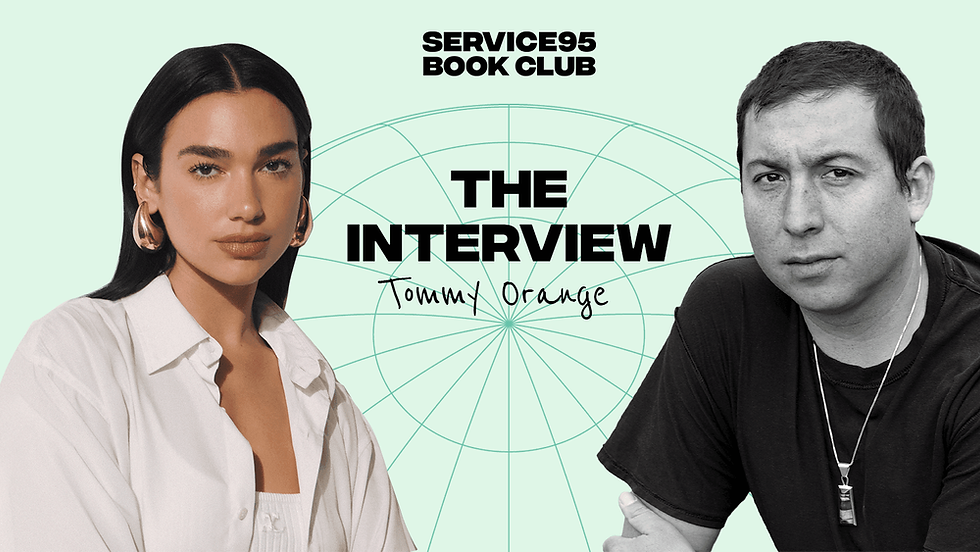
When Service95 first launched, it would have been easy to dismiss it as another celebrity newsletter. Instead, it quickly became something much bigger.
Today, the platform includes a weekly newsletter, an editorial website covering travel, culture and global issues, the At Your Service podcast, where Dua interviews everyone from authors and activists to psychologists and world leaders, and a monthly book club that has built a global community of readers. Rather than relying on celebrity gossip or short-form content, Service95 has positioned itself around thoughtful recommendations, long-form conversations and stories that encourage readers to discover something new.
That approach has clearly resonated. Three years after launching, Service95 has grown to almost 700,000 Instagram followers, while the Book Club has featured 34 books from authors spanning 16 countries and six continents, creating a community of more than 630,000 readers. The podcast has also welcomed an impressive list of guests, including Elton John, Billie Eilish, Tim Cook, Monica Lewinsky, Greta Gerwig and Esther Perel, demonstrating that audiences are engaging with the platform for far more than Dua’s name alone.
Every campaign has made the brand stronger

The more I looked at Service95, the more one thing stood out.
It hasn’t grown by launching more products.
It’s grown by making the original idea bigger.
That might sound obvious, but I think it’s where so many brands go wrong. As soon as something becomes successful, there’s often pressure to launch another product, enter another category or chase the next opportunity. Before long, the original identity starts to become diluted.
Service95 has resisted that temptation.
In May, the platform partnered with Google Maps to launch 12 curated city guides featuring more than 130 of Dua’s favourite restaurants, bars, cafés, record stores and cultural destinations across cities including London, New York, Tokyo and Mexico City. Rather than feeling like another celebrity endorsement, the partnership simply gave audiences access to something they had already been coming to Dua for over the years: trusted travel recommendations.
A few months later came the launch of the Manifesto Library inside Porto’s historic Livraria Lello. Created as an extension of the Service95 Book Club, the permanent collection brings together 100 banned and challenged books, allowing readers to explore literature that has been censored throughout history. Again, it didn’t introduce a completely new side of the brand. It simply expanded something that already existed.
I think that’s why both campaigns landed so well. Neither felt like they had been created for coverage alone. They felt like the natural next chapter in the Service95 story.
Why Service95 feels so authentic
Authenticity is one of those words that gets thrown around constantly in marketing, but I think Service95 is one of the few brands where you can see why audiences describe it that way.
The more time I spent looking through reactions to the platform, the more one thing stood out. The conversation isn’t centred around the fact that Dua Lipa is famous; it’s centred around the quality of what she’s producing. Across social media, the overwhelming majority of comments praise how thoughtful she is, how well she interviews guests and how genuinely interested she seems in the people she’s speaking to. Media reviews have echoed that sentiment too, with several publications highlighting her interviewing skills and describing the podcast as proof that she’s much more than a pop star.
I don’t think that’s happened by accident. One of the biggest strengths of Service95 is that it never feels like Dua is simply putting her name to a project. Whether she’s interviewing authors, psychologists, activists or world leaders, there’s a genuine sense of curiosity behind the conversations. The questions feel considered, the discussions aren’t rushed and the guests are chosen because they align with the themes of learning, culture and discovery that have shaped the platform from the very beginning.
That same consistency runs through every part of the brand. The books featured in the Service95 Book Club feel like titles she’d actually want to share with her audience. The Google Maps partnership expanded on something followers had already associated with her for years: thoughtful travel recommendations rather than simply the most luxurious destinations. Even the Manifesto Library felt less like a publicity stunt and more like the natural next chapter for conversations Service95 had already been having. Just months earlier, Dua had interviewed Margaret Atwood about The Handmaid’s Tale for the Book Club, one of the world’s most frequently challenged and banned books. Whether intentional or not, opening a permanent library dedicated to banned and censored books reinforced the same themes of literature, free expression and curiosity that have always sat at the heart of the platform.
For me, that’s what separates Service95 from so many other celebrity brands. People aren’t engaging with it simply because they like Dua Lipa. They’re engaging because they’ve come to trust her taste, her curiosity and her perspective. The celebrity might bring people through the door, but it’s the quality of the content that keeps them there.
The challenge Service95 will face as it continues to grow
Ironically, the authenticity that has become Service95’s greatest strength could also become its biggest challenge.
The platform succeeds because audiences believe they are getting access to Dua’s genuine interests, recommendations and perspective. As Service95 expands, maintaining that perception will inevitably become more difficult, particularly as larger teams become involved in editorial decisions, partnerships and content production.
Recent online discussion surrounding the Good Noticings podcast highlighted exactly how sensitive audiences are to authenticity within founder-led brands. After the podcast was featured in Service95 as one of Dua’s favourites, the hosts later shared that she didn’t recognise them when they met. Whether this was simply an awkward interaction or an example of the realities of managing a growing editorial platform is almost beside the point. What mattered was the conversation it created, with people immediately questioning where the founder’s personal involvement ends and the wider team begins.
For a platform built around trust, those perceptions matter.
Three lessons every PR can take from Service95
I’ve looked at a lot of celebrity brands over the years putting The PR Insider together, but Service95 stands out. For me, it’s one of the strongest recent examples of how to build a brand that feels cohesive, intentional and, most importantly, authentic.
1. Build the person before you build the platform
One of the biggest reasons Service95 worked from day one is that the audience already knew what Dua stood for. She had spent years consistently sharing the same interests, meaning the platform felt like a natural evolution rather than a sudden business idea. The strongest brands rarely introduce a completely new identity; they build on one that’s already trusted.
2. Don’t chase campaigns, build a bigger story
The Google Maps partnership, the Manifesto Library, the podcast and the Book Club all reinforce exactly the same themes of travel, books, culture and curiosity. Rather than chasing headlines through disconnected campaigns, Service95 has grown by making the original idea richer. It’s a reminder that the best PR isn’t always about creating something completely new, sometimes it’s about finding another way to tell the same story.
3. As your brand grows, authenticity becomes your biggest responsibility
Founder-led brands succeed because people trust the founder. As teams become larger and platforms become more complex, maintaining that trust requires real discipline. Every recommendation, partnership and campaign should still feel like something audiences would genuinely expect from the person behind the brand. Growth is important, but if audiences stop believing in the founder’s perspective, the brand risks losing the very thing that made it valuable in the first place.


Comments